Ankara vs Kitenge vs Khanga: What's the Difference?
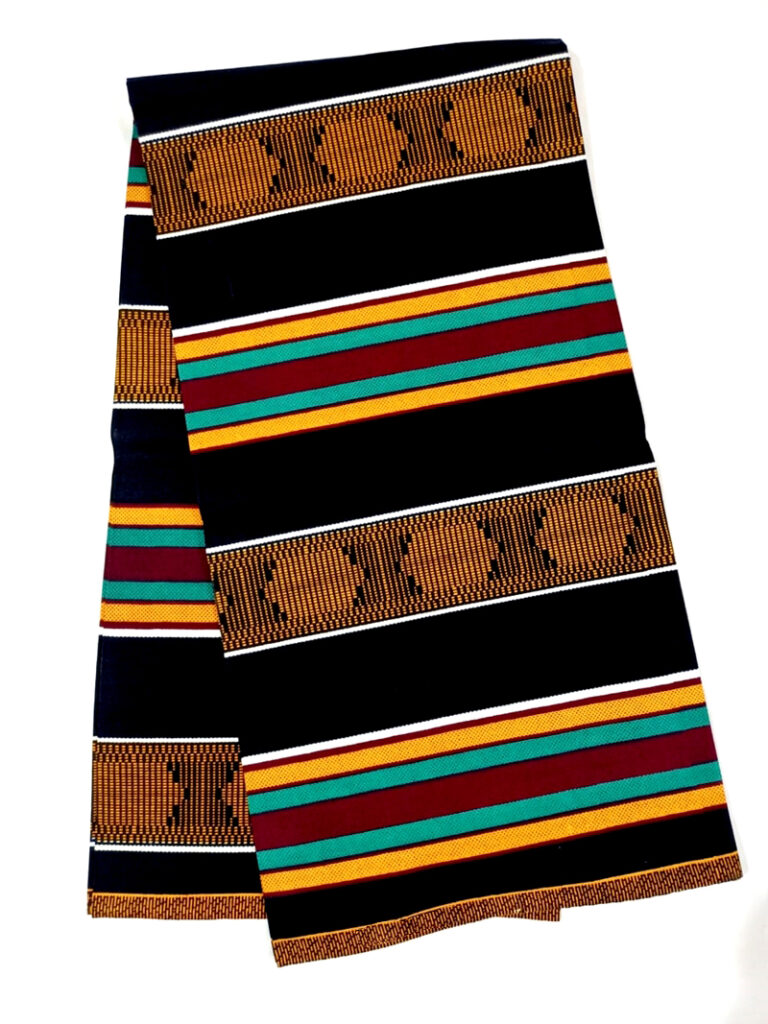
Ankara, kitenge and khanga are three of the most loved African textiles — and three of the most commonly confused. They look related, they're all cotton, and they all celebrate bold pattern. But they differ in weight, construction and best use, and choosing the wrong one for a project is a common mistake. Here's a clear, practical comparison from our workshop.
The quick answer
- Ankara — medium-weight, crisp, bold all-over wax print. Best for structured garments.
- Kitenge — similar to Ankara but often softer, sometimes with a border. Great for dresses and wraps.
- Khanga — light, thin cotton, usually with a border and a printed proverb. Best for warm-weather and wraps.
Now let's look closer, because the details matter when you're buying or sewing.
Ankara in depth
Ankara is the workhorse of African prints: a stable, mid-weight cotton with a vivid wax-resist pattern printed edge to edge. Its slight body means it holds a shape, so it's ideal for kaftans, fitted dresses, skirts, jackets and menswear. It presses crisply and sews predictably, which is why makers reach for it first.
Kitenge in depth
Kitenge (popular across East and Central Africa) is close cousin to Ankara. The print style is similar, but kitenge is often a touch softer and more fluid, and it may carry a decorative border along one edge. That softness makes it lovely for flowing dresses, wraps and garments where drape matters more than structure.
Khanga in depth
Khanga is the lightest of the three — a thin, breathable cotton traditionally sold as a rectangular piece with a printed border and, famously, a Swahili proverb (the jina) along the bottom. It's soft, quick-drying and cool, which makes it perfect for wraps, headscarves, light dresses and hot climates. It's not the fabric for structured tailoring, but it's unbeatable for breezy, everyday wear.
Side-by-side: how to choose
| If you want… | Choose |
|---|---|
| Structure and crisp shape | Ankara |
| Soft drape for dresses/wraps | Kitenge |
| Lightweight, warm-weather wear | Khanga |
| A ceremonial, regal look | Kente (a woven fabric — different again) |
If your project needs to hold its form (a fitted bodice, a tailored jacket), lean Ankara. If it should float (a maxi dress, a wrap skirt), kitenge or khanga will feel better.
A note on weight and sewing
Heavier prints are more forgiving for beginners — they don't shift under the needle. Lighter khanga needs a gentler touch and sharp scissors. Whatever you choose, pre-wash to remove excess dye and prevent later shrinkage; see our wax print care guide.
Frequently asked questions
Is kitenge the same as Ankara?
They're very similar wax prints. Kitenge is the term more common in East/Central Africa and is often a little softer, sometimes with a border; Ankara is the West-African term and tends to be crisper.
Which is best for a summer dress?
Khanga for the lightest, airiest feel; kitenge if you want a bit more body with good drape.
Can I buy all three by the metre?
Yes — explore prints by the metre on our fabrics page, with wholesale available for makers and shops.
The bottom line
They're relatives, not twins. Remember Ankara for structure, kitenge for soft drape and khanga for lightness, and you'll pick the right fabric every time. See the range on our fabrics page or contact us for custom prints.

Luméa is a textile house in Surat, India — we design and handcraft African prints, kaftans, abayas and menswear, and ship worldwide. Everything you read here comes from our own workshop. Read our story →